What Is Hard Water?
Hard water is water that contains a high concentration of dissolved minerals, mainly calcium and magnesium. These minerals are naturally picked up as water flows through rocks and underground deposits before reaching your home or workplace.Although hard water is generally safe to drink, it can quietly create problems over time.
From reducing the lifespan of appliances to increasing maintenance costs and affecting skin, hair, and plumbing, the impact often goes unnoticed until it becomes expensive to fix.If you’ve ever wondered why your bathroom fittings develop white stains or why your soap doesn’t lather well, hard water could be the reason.
How Does Hard Water Affect Your Home and Business?
Many people assume water is either clean or dirty. In reality, water quality also depends on the amount of dissolved minerals it contains.
When hard water passes through pipes, boilers, geysers, washing machines, or commercial equipment, those minerals begin to settle on surfaces. Over time, these deposits form scale that restricts water flow, reduces efficiency, and increases energy consumption.
For homes, this often means higher electricity bills and more appliance repairs.For businesses such as hotels, restaurants, hospitals, and manufacturing facilities, hard water can lead to downtime, higher maintenance costs, and reduced equipment performance.
10 Warning Signs of Hard Water
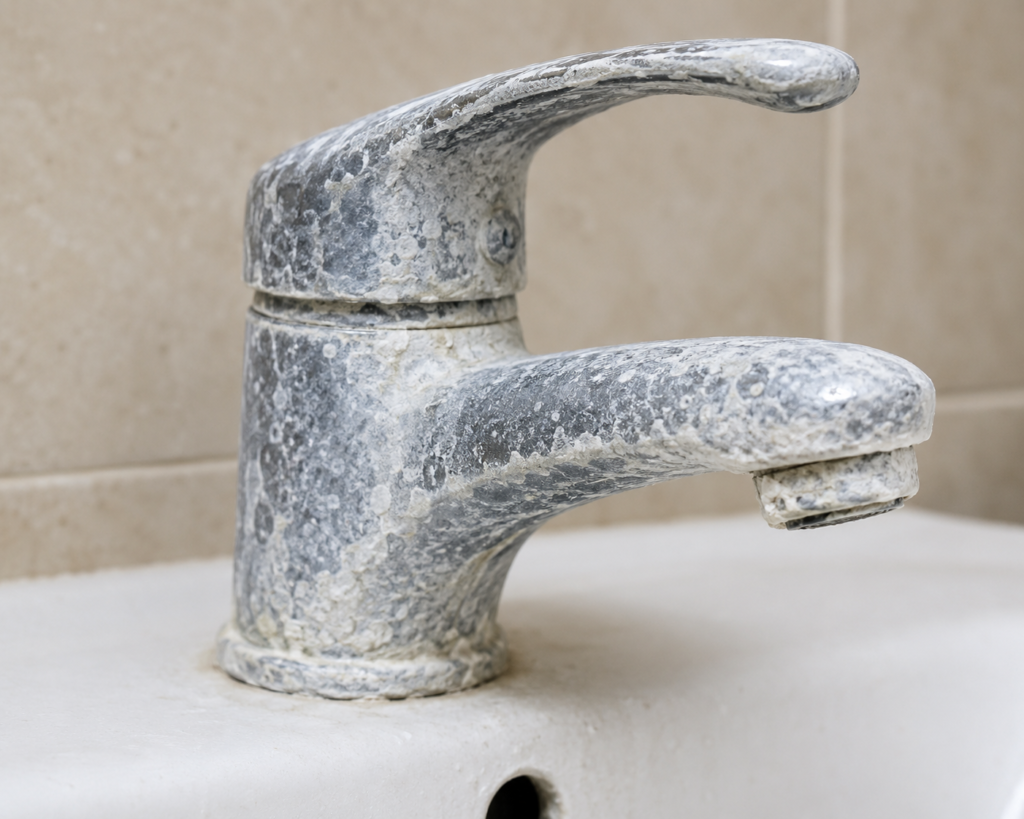
1. White Deposits on Taps and Showerheads
One of the easiest signs to identify is the chalky white buildup around taps, showerheads, and sinks.These deposits are calcium and magnesium left behind after water evaporates.
Soap Doesn’t Lather Properly
Do you find yourself using more soap or shampoo than usual?Hard water reacts with soap, making it difficult to produce a rich lather. As a result, cleaning becomes less effective and more soap is required.
3. Dry Skin After Bathing
Many people blame weather conditions for dry skin.However, hard water can leave mineral residue on your skin, making it feel dry, itchy, or tight after every shower.
4. Hair Feels Rough and Lifeless
Minerals present in hard water can accumulate on the scalp and hair strands.This buildup may leave your hair feeling dull, rough, and difficult to manage even after washing.
5. Stains on Glassware
Have you noticed cloudy drinking glasses or water spots that refuse to disappear?These are classic signs of mineral deposits caused by hard water.
6. Increased Electricity Bills
Scale buildup inside geysers and water heaters acts as insulation.This means the appliance has to work harder to heat water, consuming more electricity than necessary.
7. Frequent Plumbing Problems
Mineral deposits slowly reduce the internal diameter of pipes.Over time, this can decrease water pressure and increase the chances of plumbing repairs.
8. Appliances Break Down More Often
Washing machines, dishwashers, coffee machines, boilers, and water heaters all suffer when exposed to hard water over long periods.Their efficiency drops, maintenance increases, and lifespan shortens
9. Clothes Feel Stiff After Washing
Hard water prevents detergents from dissolving completely.As a result, clothes may feel rough, fade faster, and lose their softness after repeated washes.
10. Scale Inside Commercial Equipment
For businesses, hard water can be particularly costly.Hotels, hospitals, restaurants, schools, and factories rely heavily on water-based equipment. Scale formation inside boilers, cooling towers, RO systems, and pipelines can lead to increased operational costs and unexpected downtime.
Why Ignoring Hard Water Can Be Expensive
Many property owners postpone addressing hard water because the effects appear gradually.
However, the long-term costs often include:
- Higher electricity consumption
- Frequent appliance repairs
- Shorter equipment lifespan
- Increased maintenance costs
- Plumbing replacements
- Reduced operational efficiency
Investing in a proper water treatment solution early is usually far more economical than dealing with repeated repairs later.
How Can You Solve Hard Water Problems?
The most effective solution depends on the severity of water hardness and your daily water usage.
For residential properties, a water softener can significantly reduce calcium and magnesium levels, helping protect plumbing, improve appliance performance, and provide a better bathing experience.
For commercial and industrial facilities, selecting the right treatment system requires an assessment of water quality, usage, and operational needs. A professionally designed solution ensures reliable performance while helping reduce maintenance costs over time.
At AERIN, we provide customised water treatment solutions for homes, hotels, hospitals, educational institutions, manufacturing units, and other commercial facilities. Every recommendation begins with understanding your water quality and application, ensuring the solution is both effective and cost-efficient.
Final Thoughts
Hard water is one of those issues that often goes unnoticed until it begins affecting your home, appliances, or business operations. Recognising the warning signs early allows you to take preventive action before maintenance costs start adding up.
Whether you’re a homeowner looking to improve daily water quality or a business aiming to protect critical equipment, understanding your water is the first step toward making informed decisions.
If you’re unsure about the quality of your water or the right treatment solution for your needs, the team at AERIN Smart Water Solutions can help assess your requirements and recommend a system designed specifically for your application.