What Is a Commercial RO Plant?
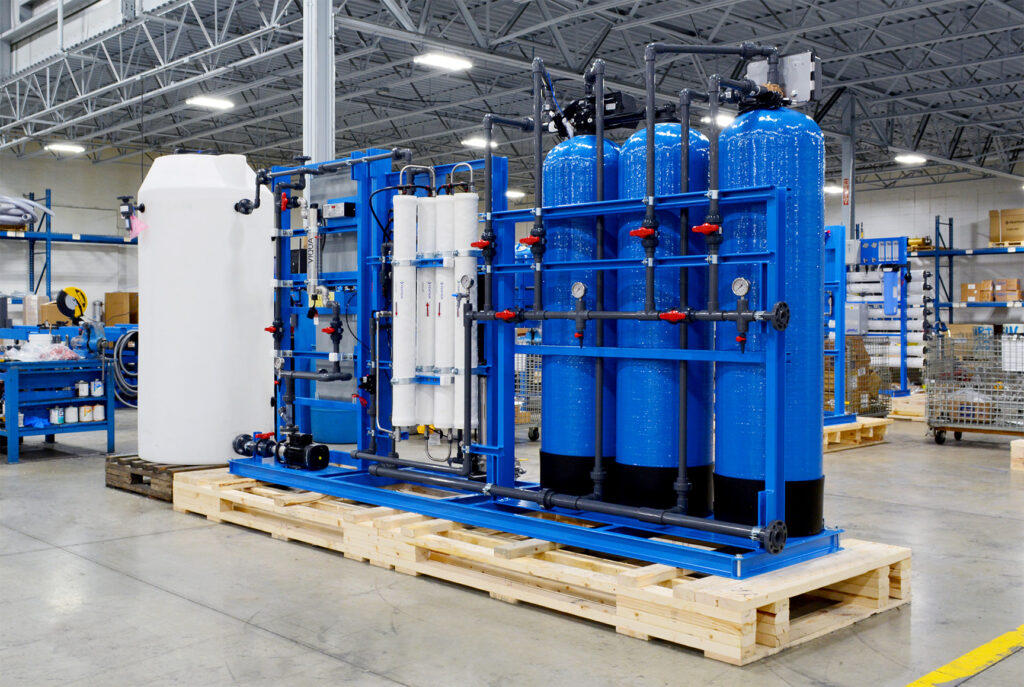
A Commercial RO Plant is a water purification system designed to remove dissolved salts, impurities, bacteria, and other contaminants from water using reverse osmosis technology. Unlike domestic water purifiers, commercial systems are built to handle large volumes of water required by businesses, institutions, and industrial facilities.
Whether it’s a hotel serving hundreds of guests every day or a manufacturing unit relying on water for production, having access to clean and treated water is no longer a luxury—it’s a necessity.
Poor water quality doesn’t just affect drinking water. It can damage machinery, reduce the efficiency of boilers, leave scale deposits inside pipelines, increase maintenance expenses, and even affect the quality of your products or services.
This is why more businesses are investing in commercial water treatment solutions that deliver consistent, high-quality water while protecting their infrastructure.
Why Water Quality Matters for Businesses
Water plays a much bigger role in commercial operations than many people realise.
For example, in a hotel, water is used in guest rooms, kitchens, laundries, cooling systems, and boilers. If the water contains excessive minerals or impurities, the effects quickly become visible in the form of stained fixtures, scaling inside equipment, and frequent maintenance issues.
Similarly, restaurants rely on clean water for food preparation, beverage quality, and maintaining hygiene standards. Manufacturing facilities often require treated water to protect machinery and ensure consistent production quality.
Ignoring water quality can lead to:
- Higher electricity consumption
- Increased maintenance costs
- Frequent equipment breakdowns
- Reduced equipment lifespan
- Product quality issues
- Customer dissatisfaction
A properly designed Commercial RO Plant helps prevent these challenges before they become costly problems.
7 Powerful Benefits of Installing a Commercial RO Plant
1. Consistently High-Quality Water
The biggest advantage of a Commercial RO Plant is its ability to produce water with significantly reduced Total Dissolved Solids (TDS), suspended particles, and unwanted contaminants.
Consistent water quality is especially important for businesses where water directly affects operations, product quality, or customer experience.
Whether you’re operating a restaurant, hospital, pharmaceutical facility, or educational institution, reliable water quality helps maintain standards every single day.
2. Protects Expensive Equipment
Hard water is one of the leading causes of equipment damage.
As untreated water flows through boilers, heat exchangers, coffee machines, steam generators, and pipelines, minerals gradually accumulate inside them. This process, known as scaling, reduces efficiency and increases wear over time.
Installing a Commercial RO Plant helps minimise these mineral deposits, allowing equipment to operate more efficiently while extending its service life.
For many businesses, preventing just one major equipment failure can justify the investment in a water treatment system.
3. Reduces Maintenance Costs
Frequent maintenance doesn’t just cost money—it also disrupts operations.
Scaling, corrosion, clogged pipelines, and damaged valves often require repeated servicing, replacement parts, and downtime.
By improving water quality at the source, a Commercial RO Plant reduces these maintenance requirements and helps businesses allocate their resources more effectively.
Instead of reacting to recurring problems, you’re preventing them from happening in the first place.
4. Improves Energy Efficiency
Many commercial appliances rely on efficient heat transfer.
When mineral deposits build up inside boilers or heating elements, they create an insulating layer that forces equipment to consume more energy to achieve the same results.
Cleaner water means cleaner equipment.
As a result, businesses often experience improved energy efficiency and lower operating costs over time.
5. Builds Customer Confidence
For businesses that interact directly with customers, water quality is often a reflection of overall service quality.
Imagine checking into a hotel and finding white stains on bathroom fittings or being served cloudy drinking water at a restaurant. These seemingly small details can leave a lasting negative impression.
A Commercial RO Plant helps businesses deliver consistently clean, clear, and better-tasting water. This not only enhances customer satisfaction but also reinforces your commitment to hygiene and quality.
Industries such as hospitality, healthcare, food processing, and education benefit significantly from maintaining high water quality standards.
6. Supports Regulatory Compliance
Many industries are required to maintain specific water quality standards to comply with health, safety, or manufacturing regulations.
For example:
- Hospitals require high-quality water for various medical and sanitation applications.
- Food and beverage manufacturers depend on treated water to maintain product consistency.
- Pharmaceutical companies often have stringent water purity requirements.
- Educational institutions and corporate offices are expected to provide safe drinking water for students and employees.
Installing a Commercial RO Plant helps businesses move closer to meeting these quality expectations while reducing the risks associated with untreated water.
7. A Long-Term Investment That Pays Off
Many businesses initially look at a Commercial RO Plant as an expense.
In reality, it’s better viewed as an investment.
While there is an upfront installation cost, the long-term savings often outweigh it through:
- Reduced maintenance expenses
- Lower energy consumption
- Fewer equipment breakdowns
- Longer machinery lifespan
- Improved operational efficiency
- Better customer satisfaction
When these benefits are considered together, a properly selected Commercial RO Plant can provide value for many years.
Industries That Benefit the Most
Almost every business that depends on water can benefit from installing a Commercial RO Plant. However, some industries rely on treated water more than others.
Hotels and Resorts
Hotels use water throughout their operations—from guest rooms and kitchens to laundry facilities and boilers. A Commercial RO Plant helps maintain water quality, protects expensive equipment, and enhances the overall guest experience.
Restaurants and Cafés
Clean water plays an important role in food preparation, beverages, and maintaining hygiene. Treated water also helps protect coffee machines, dishwashers, and kitchen equipment from scale buildup.
Hospitals and Healthcare Facilities
Healthcare environments demand high standards of cleanliness and reliable water quality. Water treatment systems help support these standards while protecting medical equipment and infrastructure.
Manufacturing Industries
Many manufacturing processes require treated water to maintain product quality and safeguard machinery from scaling and corrosion.
Educational Institutions
Schools, colleges, and universities serve large numbers of students and staff every day. Providing clean drinking water contributes to a healthier and safer environment.
Commercial Offices
Modern office buildings use water in cafeterias, washrooms, cooling systems, and drinking stations. A Commercial RO Plant helps maintain water quality while reducing maintenance issues.