Quick Summary
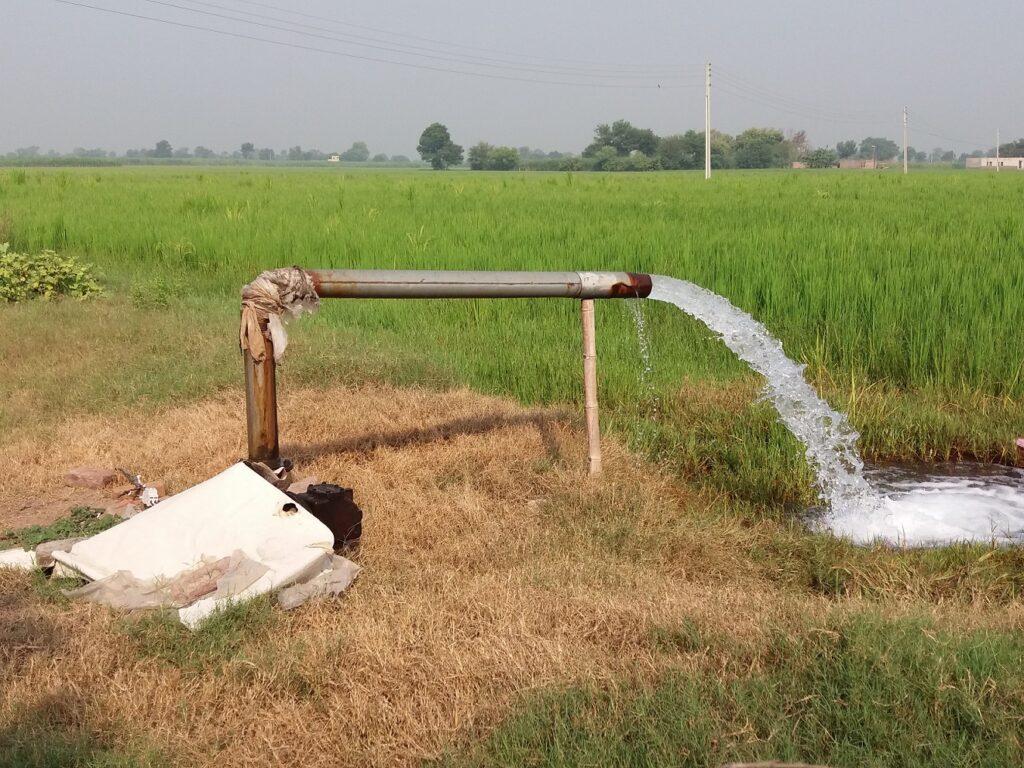
Borewell water is the primary source of water for millions of homes, apartments, industries, and commercial buildings across India. While it offers a dependable water supply throughout the year, it often comes with its own set of challenges.
From hard water and high TDS to iron contamination, unpleasant odours, yellow stains, and scaling inside appliances, borewell water problems can affect everything from your daily comfort to the lifespan of expensive plumbing systems.
The good news is that most of these issues can be solved with the right water treatment solution. Understanding the problem is the first step towards choosing the correct system.
Why Does Borewell Water Have Problems?
Unlike municipal water, borewell water comes from deep underground aquifers.
As groundwater travels through layers of soil, rocks, limestone, and minerals, it naturally dissolves substances such as calcium, magnesium, iron, manganese, and salts. The deeper the borewell, the more likely it is to contain higher concentrations of dissolved minerals.
The quality of borewell water also depends on local geology, groundwater levels, nearby industries, agricultural activities, and seasonal changes.
This is why two neighbouring homes can have completely different water quality even if both use borewell water.
Common Borewell Water Problems
Hard Water
Hard water is one of the most common borewell water problems in India.
High levels of calcium and magnesium leave white deposits on taps, showerheads, bathroom tiles, geysers, washing machines, and kitchen appliances.
Over time, this scale buildup reduces water flow, increases electricity consumption, and shortens the life of expensive equipment.
A properly designed Water Softener is the most effective solution for treating hard borewell water.
High TDS (Total Dissolved Solids)
High TDS means the water contains a large amount of dissolved minerals and salts.
Water with excessive TDS may develop an unpleasant taste and can create scaling issues depending on the minerals present.
An RO system is generally recommended when TDS levels exceed acceptable limits and the water is intended for drinking or specific commercial applications.
Iron in Borewell Water
Iron contamination is another common issue.
If your water leaves reddish-brown stains on sinks, buckets, toilets, or clothes, iron is likely present.
You may also notice a metallic taste or discoloured water after it has been stored for some time.
An iron removal system is usually recommended after proper water testing.
Unpleasant Smell
Some borewell water develops a rotten egg smell caused by hydrogen sulphide gas.
Other sources of odour may include bacterial activity or organic matter inside the borewell.
The correct treatment depends entirely on the source of the smell, making professional water testing essential before selecting a treatment system.
Yellow or Brown Water
Discoloured borewell water may be caused by iron, manganese, suspended particles, or damaged pipelines.
Although the colour may disappear after settling, the underlying issue should always be investigated.
Ignoring discoloured water can eventually damage plumbing fixtures and household appliances.
Scaling Inside Appliances
Scale is often the hidden reason behind poor appliance performance.
Water heaters, washing machines, dishwashers, boilers, coffee machines, and industrial equipment all suffer when hard water is used continuously.
Even a thin layer of mineral deposits reduces heat transfer, increasing electricity consumption while lowering efficiency.
How Borewell Water Affects Your Home
Many homeowners focus only on drinking water quality.
However, almost every appliance in your home uses water.
Hard borewell water gradually damages:
- Plumbing pipes
- Bathroom fittings
- Water heaters
- Washing machines
- Dishwashers
- RO systems
- Kitchen appliances
- Solar water heaters
Replacing these appliances is significantly more expensive than treating the water that flows through them every day.
How Borewell Water Affects Businesses
Commercial properties often consume thousands of litres of water daily.
Hotels require spotless bathrooms and efficient laundry systems.
Restaurants depend on clean water for cooking and beverages.
Hospitals rely on consistent water quality for hygiene and equipment protection.
Manufacturing industries use water throughout production processes.
Poor borewell water quality increases maintenance costs, causes unexpected downtime, and reduces equipment lifespan.
The Importance of Water Testing
One of the biggest mistakes people make is purchasing a water treatment system without testing their water.
Not every borewell has the same problems.
One property may need only a Water Softener, while another may require an Iron Removal Plant, Activated Carbon Filter, Reverse Osmosis System, or a combination of multiple treatment technologies.
A professional water analysis identifies:
- Hardness
- TDS
- Iron
- pH
- Turbidity
- Chlorides
- Other dissolved contaminants
Only after understanding these parameters should a treatment system be selected.
Which Water Treatment System Do You Need?
The right solution depends on the problem.
- Hard water → Water Softener
- High TDS → Reverse Osmosis (RO)
- Iron contamination → Iron Removal Plant
- Bad odour → Activated Carbon Filter or specialised treatment
- Suspended particles → Multi-grade Sand Filter
- Multiple issues → Combination water treatment system
There is no single system that solves every borewell water problem.
That’s why professional guidance is important.
Frequently Asked Questions
Is borewell water safe to use?
Borewell water may be suitable for use, but its quality varies significantly from one location to another. Water testing is the best way to determine whether treatment is required.
Why does borewell water leave white stains?
White stains are usually caused by calcium and magnesium, which indicate hard water.
Can borewell water damage appliances?
Yes. Hardness minerals form scale inside appliances, reducing efficiency and increasing maintenance costs.
Which water treatment system is best for borewell water?
There is no universal answer. The best solution depends on the results of a professional water quality test.
Conclusion
Borewell water problems are common, but they don’t have to become expensive. Whether you’re dealing with hard water, high TDS, iron contamination, unpleasant odours, or scaling inside appliances, identifying the root cause is the key to choosing the right treatment system.
Instead of relying on guesswork, begin with a professional water analysis. Once you understand your water quality, you can invest in a solution that protects your plumbing, extends the life of your appliances, and ensures a reliable supply of clean water for years to come.
At AERIN Smart Water Solutions, we provide customised water treatment systems for homes, apartments, commercial buildings, hotels, hospitals, and industries. From water softeners and RO plants to complete borewell water treatment solutions, our team helps you select the right system based on your water quality—not assumptions.